
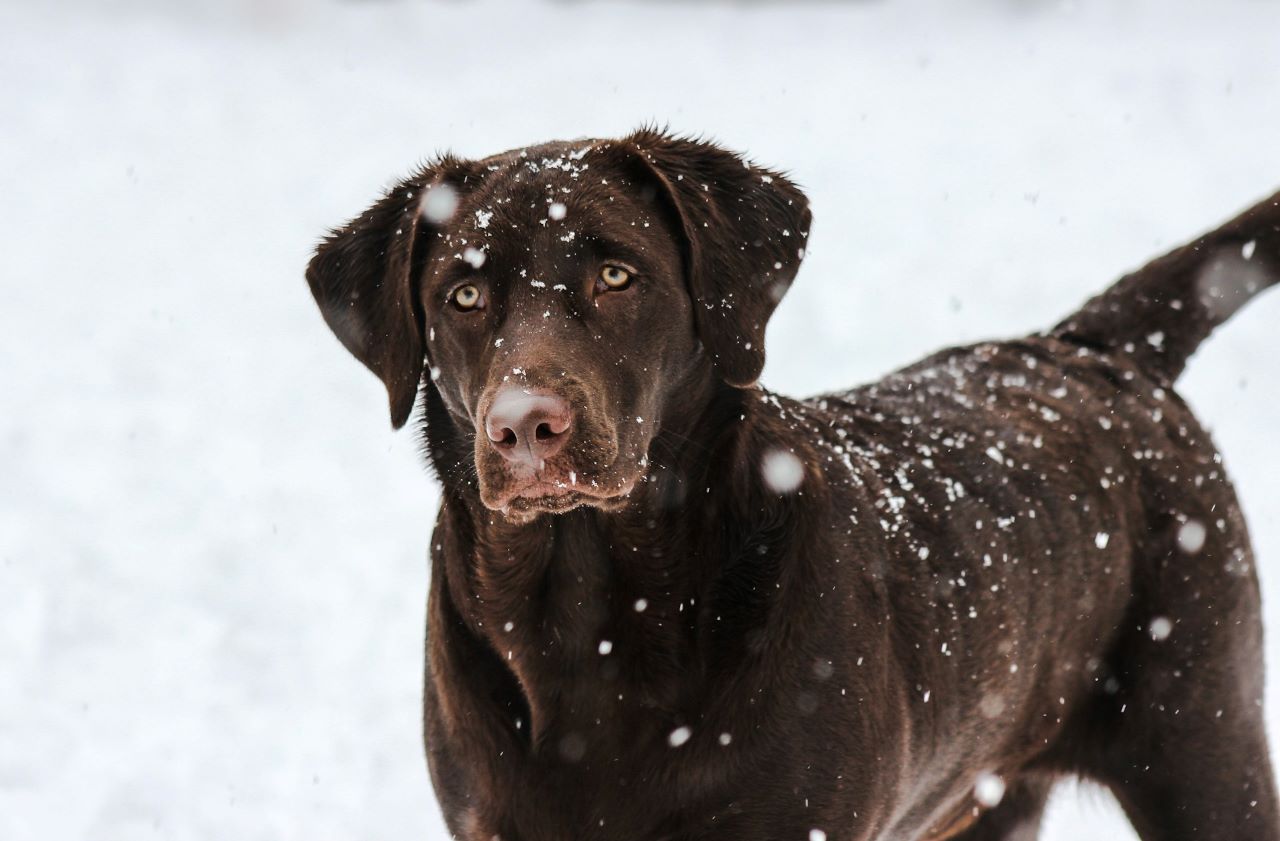
Essential Winter Dog Walking Advice to Keep Your Pup Safe
When temperatures drop, outdoor walks can become challenging not just for us, but also for our furry companions. While dogs love their outdoor adventures, winter brings hazards that can affect their safety and well being. Here are some essential winter dog walking safety tips to help keep your dog safe, comfortable, and happy during cold weather outings.
Protect Those Paws
Winter sidewalks can be treacherous for your dog’s paws. Ice, snow, and road salt can cause irritation or even injuries. Here’s how to safeguard your pet:
Apply a protective paw balm before heading out to shield your dog’s paw pads from harsh elements.
Invest in a pair of dog booties to provide extra protection and traction. Many dogs take time to adjust, so introduce them gradually.
After your walk, wipe your dog’s paws with a warm, damp cloth to remove salt, ice, and chemicals that may be stuck between their toes.
Dress for the Weather
Some dog breeds, particularly those with short fur or small body sizes, may need additional protection against the cold. Consider the following:
- Dog Coats or Sweaters: Choose insulated, waterproof outerwear to keep your dog warm and dry.
- Proper Fit: Ensure clothing fits snugly but doesn’t restrict movement.
Limit Exposure to Extreme Cold
While dogs enjoy playtime, prolonged exposure to frigid temperatures can lead to frostbite or hypothermia. Follow these guidelines:
- Short Walks: Opt for shorter walks during extreme weather and consider more frequent indoor activities for exercise.
- Watch for Signs of Discomfort: If your dog is shivering, lifting their paws, or slowing down, it’s time to head back indoors.
Be Visible in Low Light
Winter days are shorter, which means you may find yourself walking your dog during dawn or dusk. Keep visibility in mind:
- Reflective Gear: Use reflective collars, leashes, or jackets for both you and your dog.
- LED Accessories: Clip-on LED lights can make your dog more visible to passing vehicles and pedestrians.
Stay Away from Frozen Water
While a frozen pond or lake may look solid, it’s best to avoid these areas entirely. Thin ice can crack under your dog’s weight, leading to dangerous situations.
Hydration and Nutrition
Even in winter, staying hydrated is crucial for your dog. Ensure they have access to fresh water before and after walks. Also, if your dog is more active in the cold, they may need extra calories to maintain their energy levels. Consult your vet about dietary adjustments.
Know Your Dog’s Limits
Every dog reacts differently to cold weather depending on their breed, size, age, and health condition. Puppies, senior dogs, and those with medical issues may require extra care.
Winter walks can be enjoyable for both you and your dog with a little preparation. By following winter dog walking safety tips—such as protecting their paws, dressing them appropriately, and paying attention to their comfort—you’ll help ensure your canine companion stays safe and happy all season long. Remember, a little caution goes a long way in making winter outings a positive experience for your pet!